
-
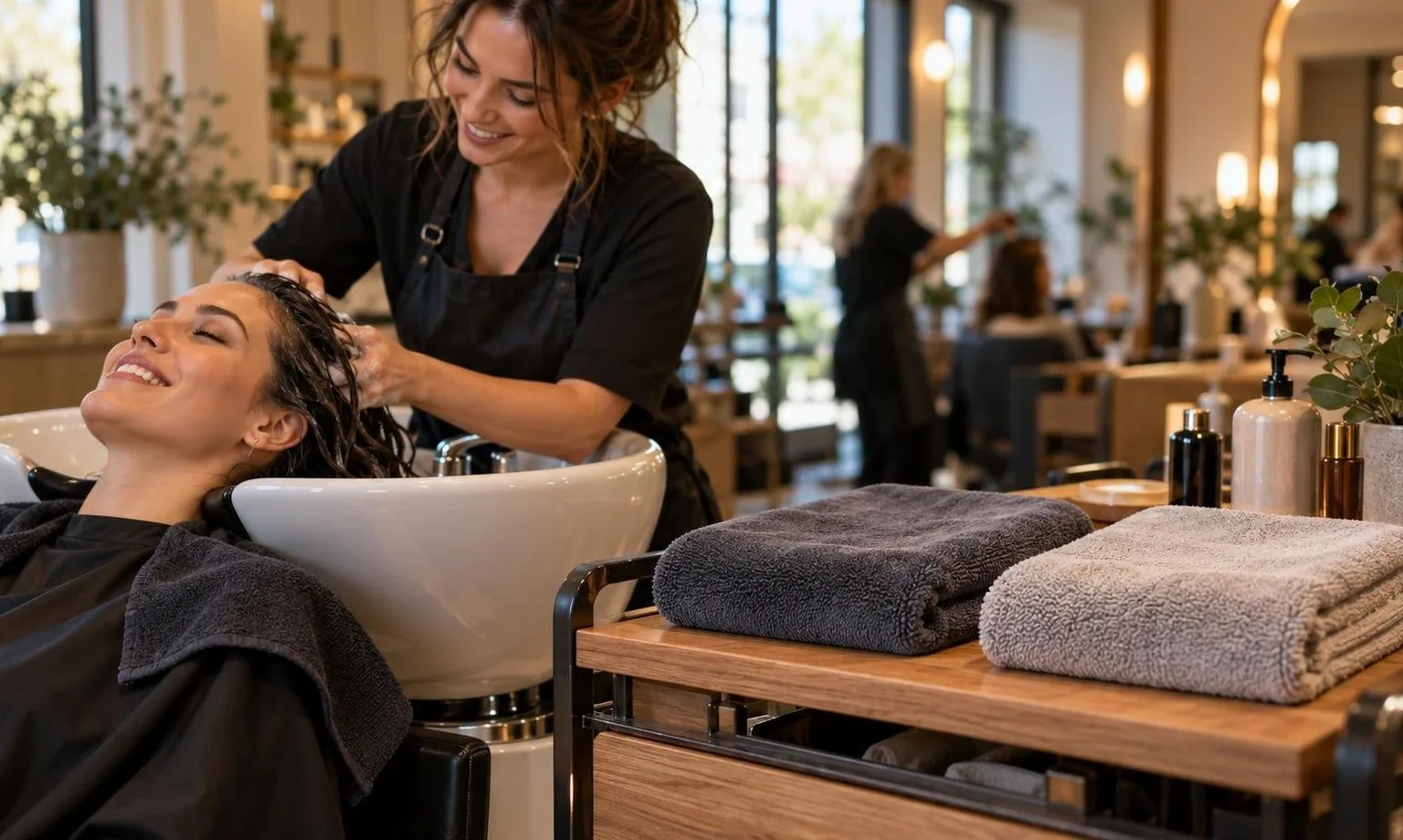
Microfibre or cotton: what the towel changes
In a sentence: Microfibre towel vs regular towel hair: choose microfibre and blot rather than rub. Its smoother surface is less likely to snag strands than typical cotton terry loops. Gently squeeze sections for…
-
Filling empty chairs: what works for blow dry bars
What to know: Blow dry bar marketing ideas include 5 practical tactics: optimise your Google Business Profile, post…
-
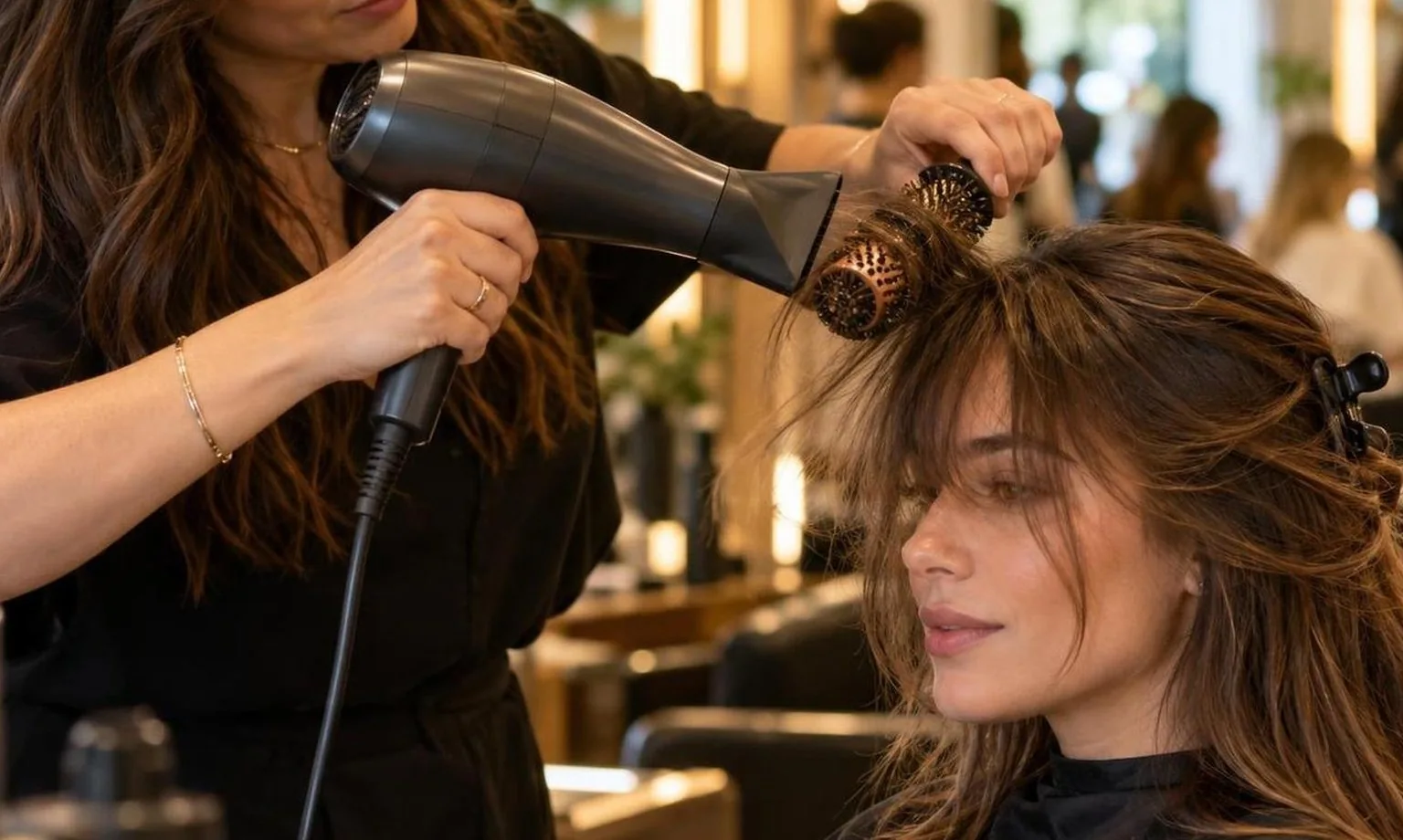
Blow drying a fringe so it sits flat
Short version: How to blow dry bangs: use medium heat and brush side to side before shaping. Start…
-
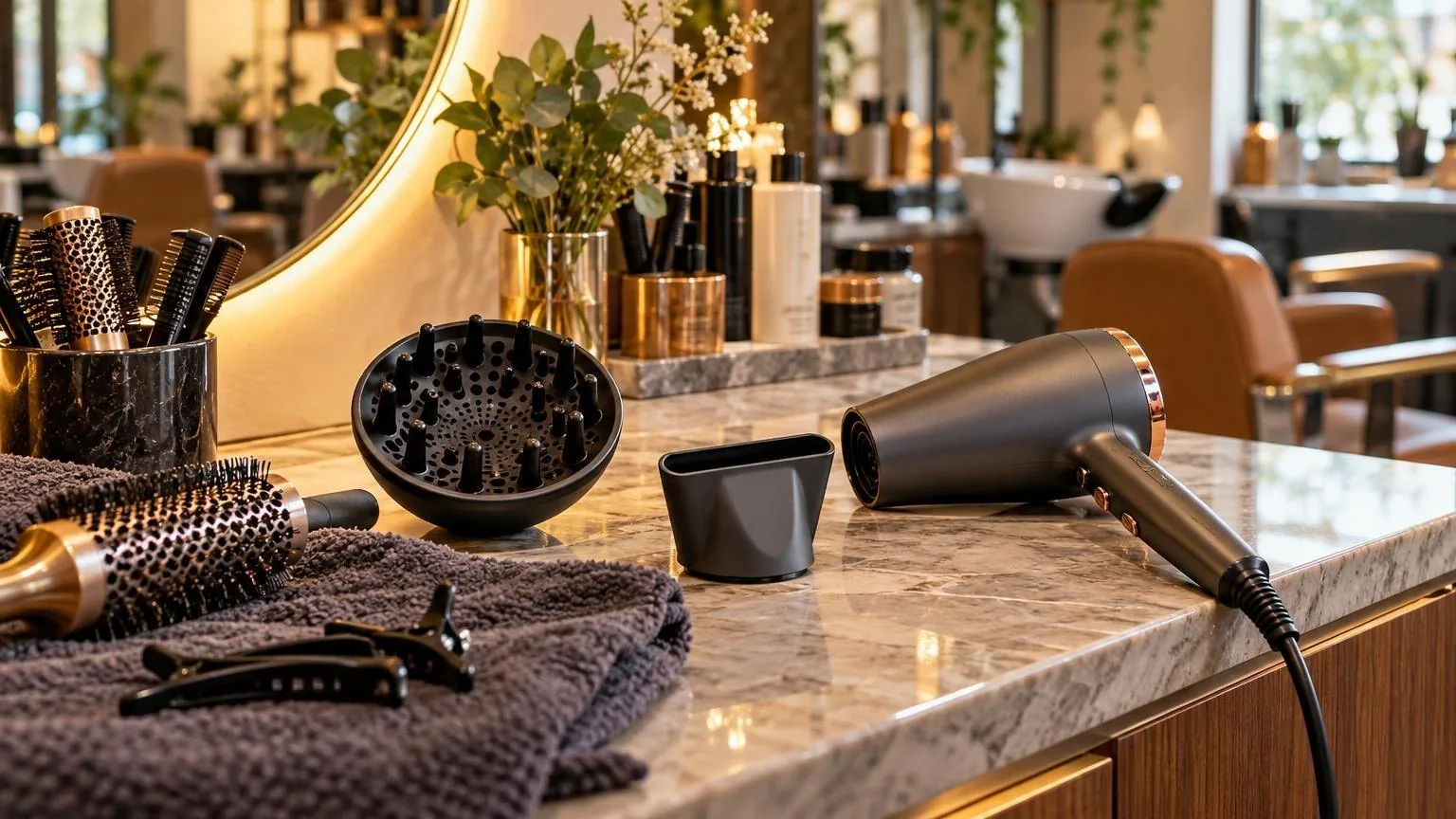
Diffuser or concentrator: which nozzle when
The gist: Diffuser vs concentrator: use a diffuser on low airflow to preserve curls; use a concentrator to…
-
What heat protectant does, and what it cannot do
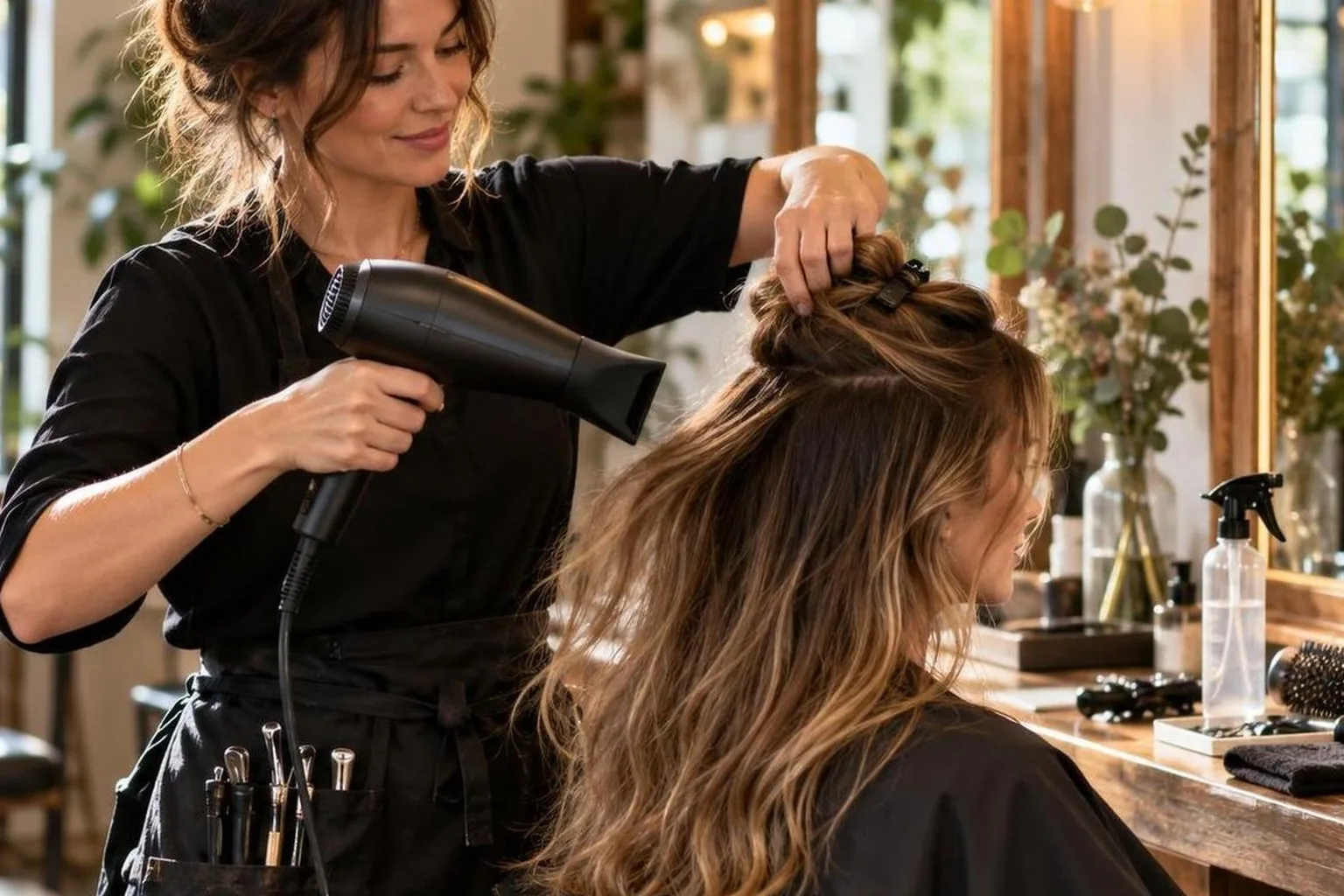
In short: Heat protectant works by coating hair with a thin film of ingredients such as silicones and polymers. This film helps…
-
Employee or contractor: how salons get this wrong
What to know: Salon employee vs contractor: An employee works under the salon’s direction, uses its systems, and typically receives wages, payroll…
-
Refreshing a blowout on day three without water
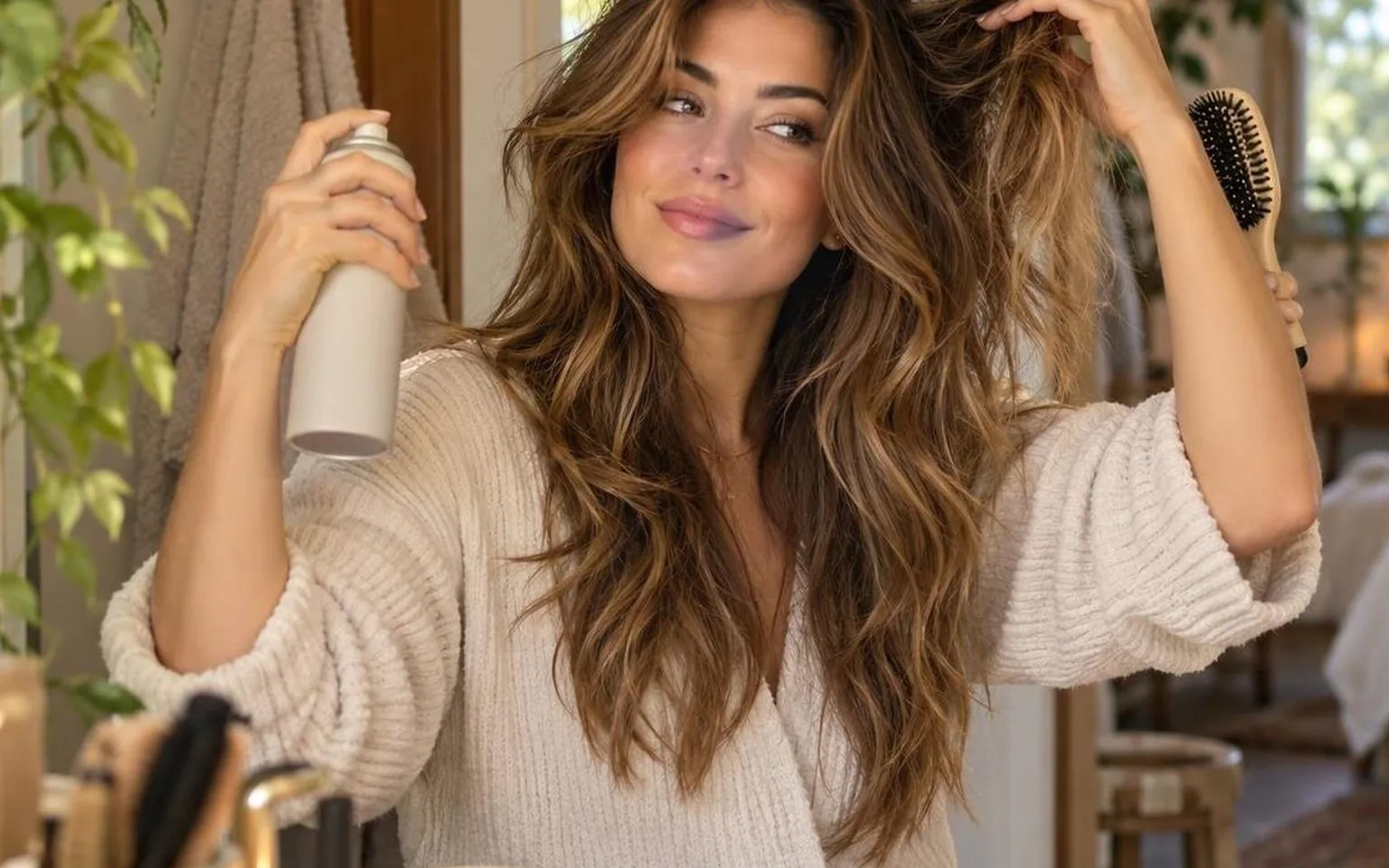
The essentials: how to refresh a blowout without washing: Use 2–3 minutes of cool air at the roots, then reshape sections with…
-
Dryer nozzles: which one does which job
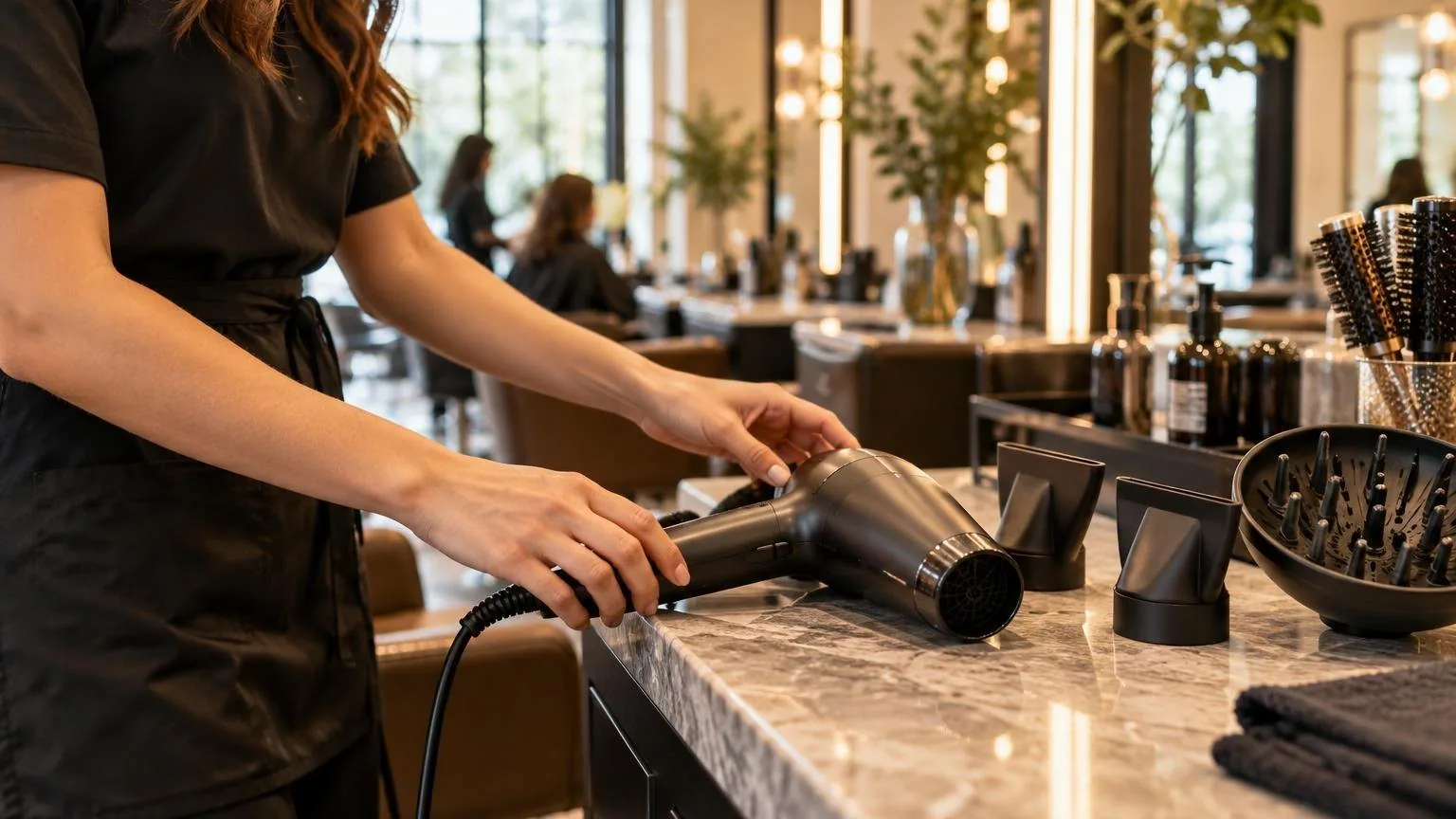
Quick answer: hair dryer nozzle types explained: Concentrator nozzles direct airflow for smooth, straight finishes and precise sectioning. Diffuser attachments spread airflow…
-
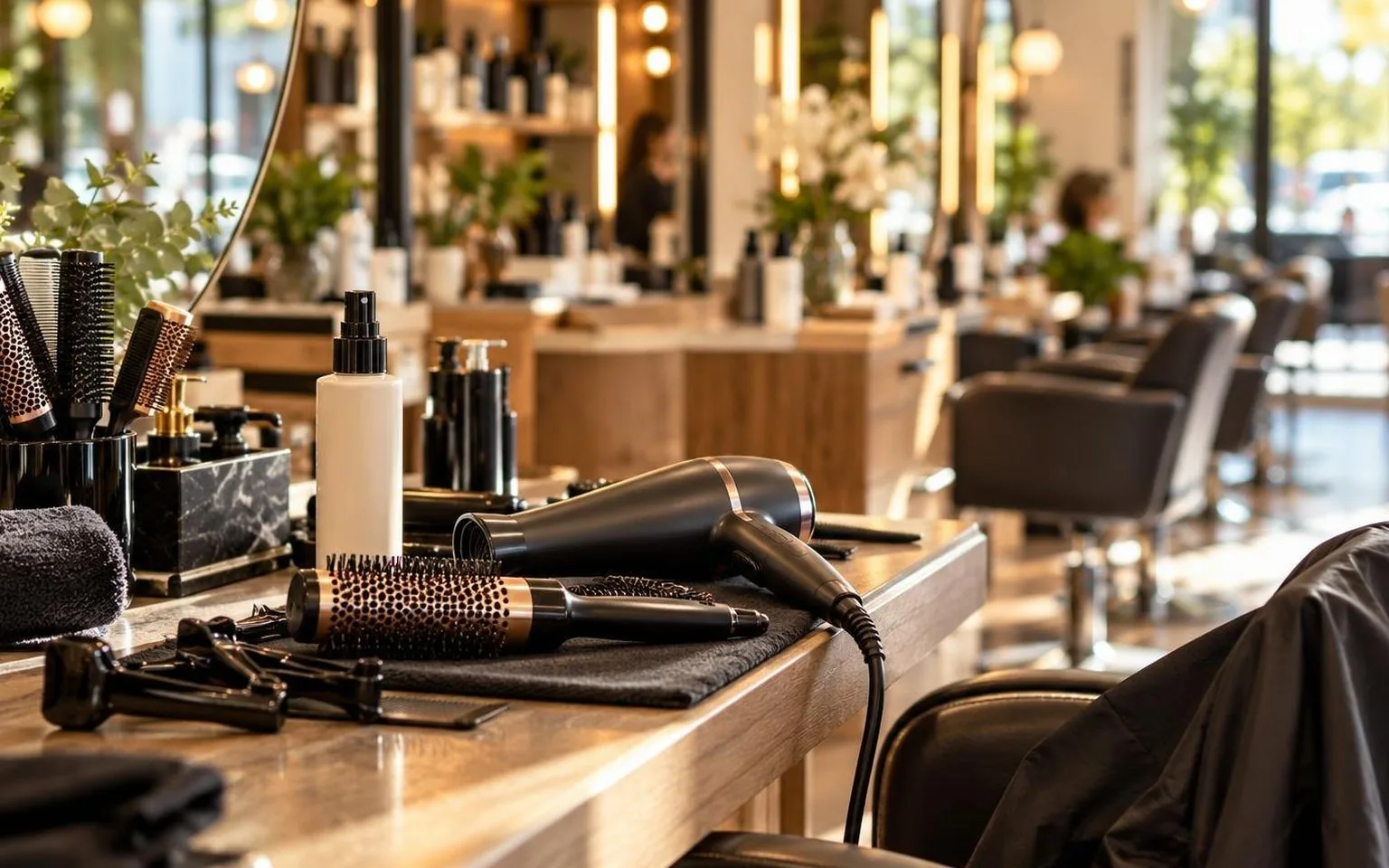
How many stylists a blow dry bar actually needs
The quick version: blow dry bar staffing ratio: Plan one stylist for every two to three operating chairs during peak periods. Add…